By Sean Dreznin
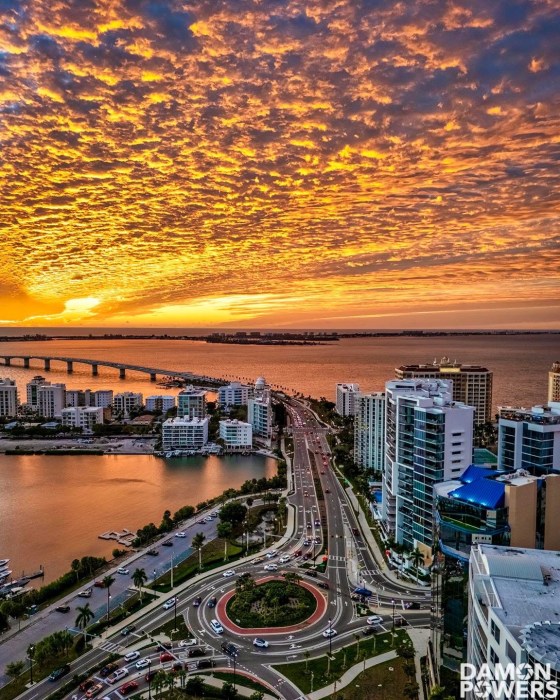
After nearly two years of elevated interest rates, slower transaction volume, insurance volatility, and a historic wave of new apartment deliveries across Florida, the multifamily market along the Gulf Coast is beginning to show encouraging signs of stabilization.
While challenges remain, several key indicators suggest that Pinellas, Sarasota, and Manatee Counties may be entering the early stages of a healthier operating environment as we move through the second half of 2026 and into 2027.
For investors who have been waiting on the sidelines and owners who have weathered a difficult cycle, the outlook is becoming increasingly constructive.
Supply Pressures Are Finally Easing
One of the most significant headwinds facing multifamily owners over the past several years has been the unprecedented volume of new apartment deliveries throughout Florida.
In markets such as Sarasota and Manatee Counties, thousands of units entered the market in a compressed timeframe, creating heightened competition for residents and placing downward pressure on rent growth. Lease-up concessions became commonplace, and occupancy levels softened as operators competed for market share.
The good news is that the construction pipeline is beginning to moderate.
Higher financing costs, tighter lending standards, and rising construction expenses have dramatically reduced the number of new projects breaking ground. As the current development pipeline works through the system, supply growth is expected to slow considerably heading into 2027.
Historically, multifamily fundamentals tend to improve once new deliveries decline and population growth continues. The Gulf Coast appears poised to benefit from that dynamic.
Population Growth Remains a Powerful Tailwind
Despite economic uncertainty and affordability concerns, Florida continues to attract new residents from across the country.
The Gulf Coast remains particularly appealing due to its quality of life, favorable tax environment, employment growth, and desirable coastal communities. Sarasota and Manatee Counties continue to benefit from in-migration from higher-cost states, while Pinellas County’s mature urban infrastructure and limited developable land support long-term housing demand.
This demographic momentum matters.
Apartment demand ultimately follows household formation and population growth. Even during periods of slower economic activity, the region continues to attract retirees, remote workers, healthcare professionals, and corporate relocations seeking Florida’s lifestyle advantages.
As new supply begins to normalize, this sustained demand base should provide support for occupancy and future rent growth.
Occupancy Trends Are Stabilizing
Many operators have spent the past 18 months focused on resident retention and occupancy preservation rather than aggressive rent increases.
That strategy appears to be paying off.
Across many submarkets, occupancy levels have begun to stabilize as the newest developments progress through their initial lease-up periods. Concession packages remain present in certain locations, but the pace of competitive discounting appears to be slowing compared to peak supply conditions.
For owners, stabilization is often the first step toward recovery. Before rents can meaningfully accelerate, occupancy must establish a solid foundation—and signs of that process are increasingly visible throughout the Gulf Coast region.
Transaction Activity Is Beginning to Reawaken
Perhaps one of the most encouraging developments is the gradual return of transaction activity.
For much of 2024 and 2025, a wide bid-ask spread kept many deals from reaching the closing table. Sellers were anchored to prior valuations while buyers demanded pricing that reflected higher borrowing costs.
As we move through 2026, that gap appears to be narrowing.
Buyers have become more comfortable underwriting today’s interest rate environment, while sellers increasingly recognize the realities of the current capital markets landscape. The result is a growing number of transactions and a more reliable framework for price discovery.
Healthy transaction volume is critical for market confidence. It allows lenders, appraisers, investors, and owners to better understand where values truly stand and creates a foundation for future investment activity.
Limited Land Availability Supports Long-Term Fundamentals
Pinellas County offers a unique advantage that many growth markets lack: scarcity.
With little remaining land available for large-scale multifamily development, future supply growth is naturally constrained. This limitation can create powerful long-term support for apartment fundamentals once current market imbalances work through the system.
Sarasota and portions of Manatee County still possess development opportunities, but entitlement challenges, infrastructure requirements, and higher construction costs are creating meaningful barriers to entry.
These constraints may ultimately benefit existing owners by reducing the likelihood of another prolonged oversupply cycle.
Capital Markets Are Becoming More Predictable
While interest rates remain above the ultra-low levels experienced during the previous decade, predictability is often more important than absolute rates.
Investors can adapt to a higher-rate environment when financing costs become stable and underwriting assumptions become more reliable. The uncertainty that dominated the market over the past several years appears to be gradually fading.
Lenders are becoming more active, debt funds continue to provide liquidity, and agency financing remains available for well-performing assets.
As confidence returns to the capital markets, acquisition activity and refinancing opportunities should improve across the region.

Looking Ahead to 2027
No market recovery happens overnight, and challenges remain. Insurance costs, property taxes, labor expenses, and affordability concerns will continue to influence investment decisions throughout the Gulf Coast.
However, the broader picture is becoming more encouraging.
The combination of slowing new supply, continued population growth, stabilizing occupancy, improving transaction activity, and more predictable capital markets creates a foundation for cautious optimism.
For multifamily owners in Pinellas, Sarasota, and Manatee Counties, the second half of 2026 may represent an important turning point. The market is unlikely to return to the extraordinary growth experienced during the post-pandemic boom, but a return to healthier, more sustainable fundamentals appears increasingly achievable.
As we look toward 2027, the Gulf Coast’s long-term strengths remain intact—and the early green shoots of recovery are beginning to emerge.

If you are considering selling or purchasing and would like to discuss a myriad of options, market conditions, your properties or just chat about the Rays chances of winning the division with the Yanks, Red Sox and Bluejays seemingly falling off, we are here for it.
Dreznin Pappas Commercial Real Estate LLC
Sean Dreznin
941.961.8199
TritonCRE@gmail.com

 The Commercial Real Estate Alpha Site
Leave a comment