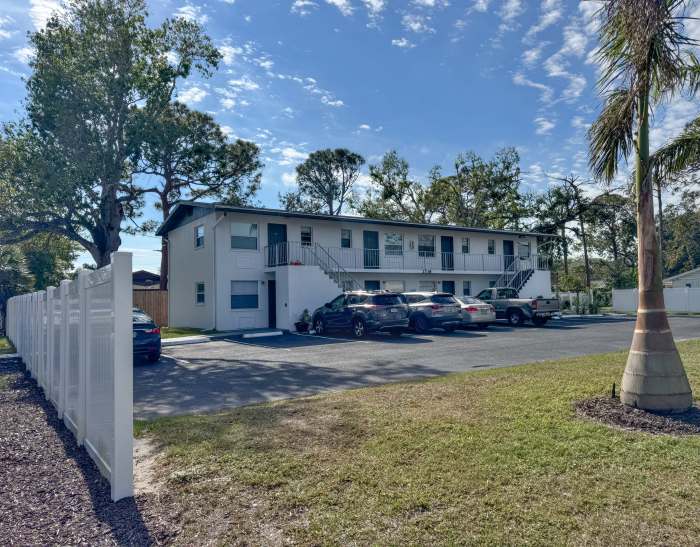
Low-rise multifamily occupancy stays strong despite broader sector weakness, as demand shifts to metro outskirts and non-metro markets.
By Nina Dale via CRE Daily <— Click here for complete article and similar stories.
- Low-rise multifamily is the only segment showing year-over-year strength, with its index rising to 54.
- Other multifamily segments, including mid/high-rise and built-for-sale units, saw declines in confidence.
- Overall occupancy sentiment remains high, but eased from last year, with a reading of 74 for existing apartments.
- Developers cite elevated costs and policy issues as ongoing barriers to growth in multifamily construction.
Low-Rise Multifamily Outperforms
The latest Multifamily Market Survey (MMS) from the National Association of Home Builders shows low-rise multifamily demand strengthening at the end of 2025. While confidence in the broader multifamily sector weakened by most measures, the garden/low-rise segment’s index rose two points to 54, signaling more positive sentiment from builders.
Other Segments Lag Behind
Confidence in mid- and high-rise, subsidized, and built-for-sale multifamily all declined year-over-year. The mid/high-rise index dropped to 31, built-for-sale fell to 36, and subsidized units slipped to 47. All three remain under the key break-even level of 50, indicating persistent caution from developers in these sub-sectors.

Get Smarter about what matters in CRE
Connect with Dreznin Pappas Commercial Real Estate LLC and let’s talk shop, the market, your property, acquisitions, and a world of other metrics including PSF, per unit, CoC, IRR, Yield Maintenance, Vacancy, Rent Growth, Lending, Insurance, etc.
Occupancy Holds, Outlook Mixed
The Multifamily Occupancy Index registered 74, signaling solid demand across most rental properties. However, the reading fell seven points from last year. Builders report strong occupancy in low-rise units, where the index reached 76. Mid- and high-rise properties posted a lower reading of 62. Meanwhile, subsidized housing led all segments with an index of 88.
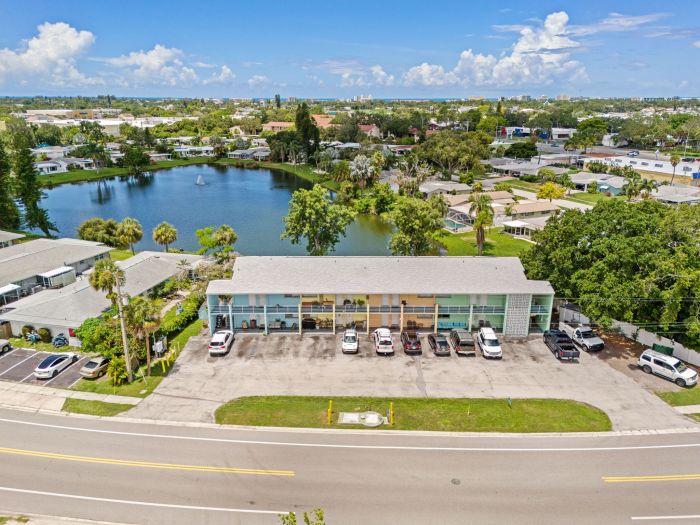
Despite ongoing headwinds, developers continue to view garden-style apartments as a bright spot. Market share for low-rise properties continues to expand. Demand is spreading into outer metro areas and non-metro markets. This divergence mirrors the uneven recovery seen across the broader multifamily sector, where certain property types outperform while others struggle to regain footing. As a result, low-rise multifamily remains the sector’s most stable performer.
What’s Next
Developers point to high construction costs and tight regulations as continued challenges for multifamily projects, despite slightly lower interest rates. While most respondents see little immediate improvement from the prior quarter, momentum in low-rise multifamily is likely to persist into 2026 as demand shifts toward these properties in both outlying metros and non-metropolitan counties.
 The Commercial Real Estate Alpha Site
Leave a comment