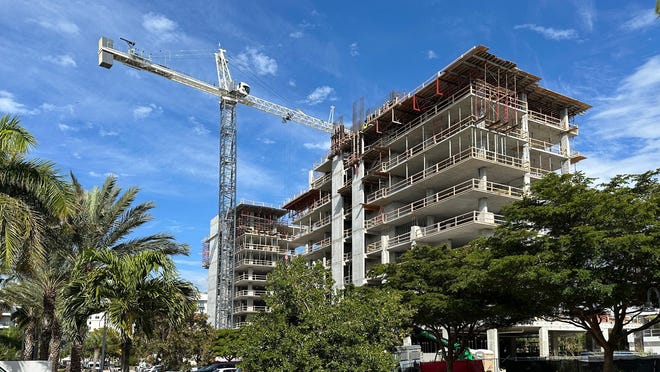
Some 400,000 units were absorbed in 2024, one of the highest years on record.
By Philippa Maister| February 13, 2025 via GlobeSt – CLICK HERE for complete article
Even though the nation has an oversupply of apartments in many markets, investors are building more instead of pulling back, according to a new Yardi Matrix report.
“They are building with the strategy of delivering in two years, when supply growth is much lower, or taking a long-term approach and building core assets that will produce steady yields over time,” the report observed. Backing this effort are private domestic firms, foreign capital, and high net-worth families.
This is happening even as national occupancy rates slump to their lowest level since 2014, falling to 94.5% in December 2024 due to the high volume of new apartments being delivered in fast-growing markets. In Austin, Raleigh-Durham, Charlotte, Nashville, Phoenix and Denver advertised rent growth is negative in spite of strong demand.
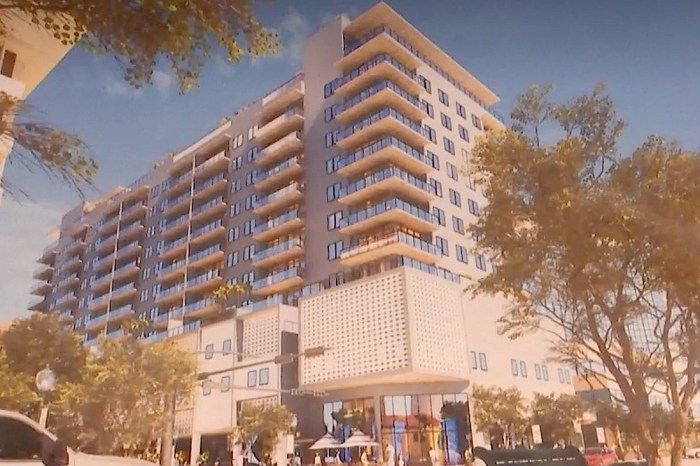
Some 400,000 units were absorbed in 2024, one of the highest years on record. In January multifamily advertised asking rent rose $3 to $1,746, and the year-over-year growth rate climbed to 0.8%. Gateway and secondary metros in the Northeast including New York City, New Jersey, and Philadelphia and secondary markets in the Midwest like Detroit, Kansas City and Chicago led the way. Retention was also high because of elevated mortgage rates and the lack of available homes to buy.
January 2025 saw a slight shake-up in the leaders in monthly rent growth. Top performers included Detroit, Houston, Los Angeles, Philadelphia and San Francisco. The rise was caused by a 0.3% increase in renters-by-necessity and a 0.1% increase in lifestyle renters. Advertised rents rose 0.2% month-over-month in January. However, monthly prices declined in nine of the 30 metros analyzed, including Columbus, OH and Chicago.
The single-family build-to-rent sector is also performing well. Advertised rents rose $5 to $2,157 in January, and year-over-year growth climbed 20 basis points. Occupancy remained at 94.7% in January, but year-over-year was down 0.7%. SFR demand is fueled by the lack of affordable homes on the market: the four million homes sold nationally in 2024 was the lowest number in 30 years, according to National Association of Realtors data cited in the report.
CLICK HERE <—- for complete article and other well written research reports similar to this
 The Commercial Real Estate Alpha Site
Leave a comment