February 28, 2024
A local look at what multifamily real estate investors can expect in the year ahead.
What’s in store for multifamily investors in 2024? At a national level, multifamily real estate will continue to grapple with slowing growth in the number of new households while apartment supply surges. Rents will likely continue to grow, but more slowly than the long-run average. Meanwhile, vacancy rates are expected to stay at levels slightly above average in the post 2008 recession period, according to insights from Moody’s Analytics CRE.
One reason for optimism: a strong job market that has aided renters’ financial stability. A tight housing market with high interest rates may also continue to keep would-be homebuyers in the rental market.
That said, affordability remains an issue in many cities, said Thomas LaSalvia, Head of Commercial Real Estate Economics at Moody’s Analytics CRE. Nationwide, vacancies are expected to inch up to 5.5% this year, due to a larger-than-usual increase in new construction and slower-than-usual growth in the number of renter households, he said. That’s close to the average vacancy over the past 25 years.
Last but not least, investors are also still navigating interest rate uncertainty. As of February, the Federal Reserve paused interest rate increases and indicated a shift to lower rates could be coming in the year ahead.
While national trends matter, real estate is a local game. Read on for expert insights and key trends in four top apartment markets: New York, Chicago, Los Angeles and San Francisco.
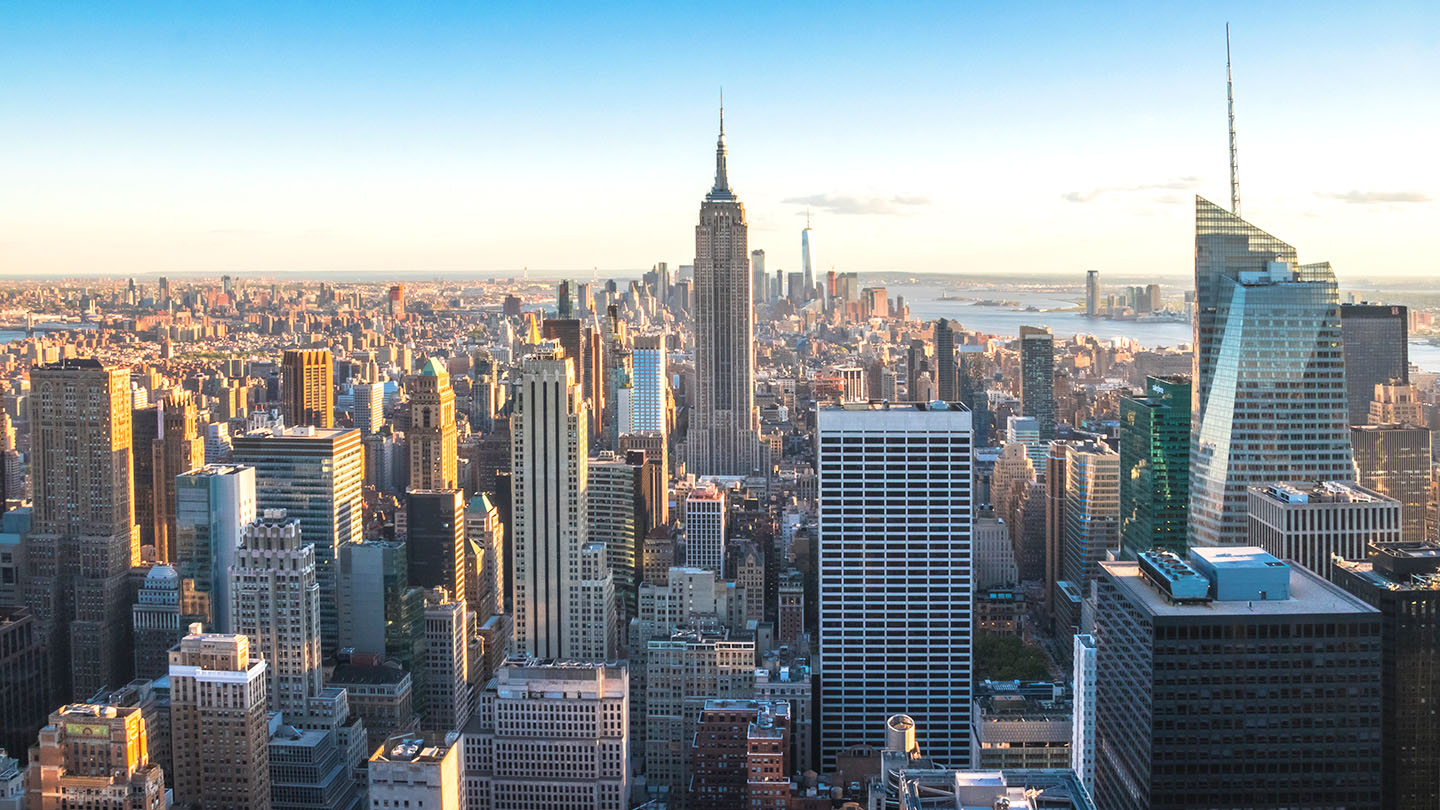
New York
The 2024 outlook for New York’s multifamily market is “largely positive” due to strong fundamentals and properties that continue to perform well, despite the market volatility seen in 2023, said Brooke Richartz, Managing Director and Senior Regional Sales Manager for Commercial Real Estate at JPMorgan Chase.
New York’s vacancy rate was low in 2023 at 3.5%, even as more than 4,000 new apartment units were built, according to Moody’s Analytics CRE. But the market is expected to gain nearly 40,000 units by 2026.
Moody’s projects New York’s vacancy rate will rise to 3.7% by the end of 2024—up, but still healthy. The surge in supply could also leave renters “feeling more emboldened” to push back on rent increases or shop around, LaSalvia said. Inflation has also put some pressure on renters’ finances, Richartz said. Moody’s expects asking rents to grow 2% this year, up from 0.1% last year but slower than prior years.
Even with more supply, workforce housing is likely to continue to perform well in New York, Richartz said. While all major cities need more multifamily housing, the shortage of affordable and workforce housing is particularly acute.
“This demand allows rents and vacancy to be more durable compared to luxury rentals,” she said. “While luxury rentals are generally performing well, rent growth is stabilizing after seeing significant growth over the last year and a half, and we see rent concessions and vacancy rates starting to increase.”
New York’s apartment market at a glance1
- Vacancy rate: 3.7% in 2024, up from 3.5% in 2023
- Asking rent growth: 2% in 2024, up from 0.1% in 2023
- Effective rent growth: 2.1% in 2024, rising from -0.4% in 2023
- 38,343 newly constructed units by 2026
Trend to watch
Moody’s forecasts the labor market and income growth will weaken in 2024. But unlike renters in other cities, those in New York looking to cut costs may not downsize to smaller units, LaSalvia said. “In New York where having roommates is well accepted, a weaker labor market and lower household formation—which can mean more roommate arrangements—can keep demand pressure on larger apartments,” he said.
An increase in hybrid and remote work can also make larger units, or units with access to extra common space, more attractive. Some property owners are adding more community spaces such as roof decks and yards, Richartz said. Others have added indoor communal workspaces, such as “phone booths” with Wi-Fi access—a particularly attractive amenity for renters sharing their living space, Richartz said.
Neighborhood highlights
The Bronx is “having a bit of a moment,” LaSalvia said. An influx of public and private investment over the past few years brought in new construction and new residents.
Brooklyn, on the other hand, stumbled a bit in 2023 after years of very strong performance.
“Affordability issues finally hit a head as value-focused households looked to emerging markets in Queens or the Bronx to find that ultimate mix of amenities, safety, proximity and price,” he said.
… CLICK HERE for Chicago & Los Angeles summaries
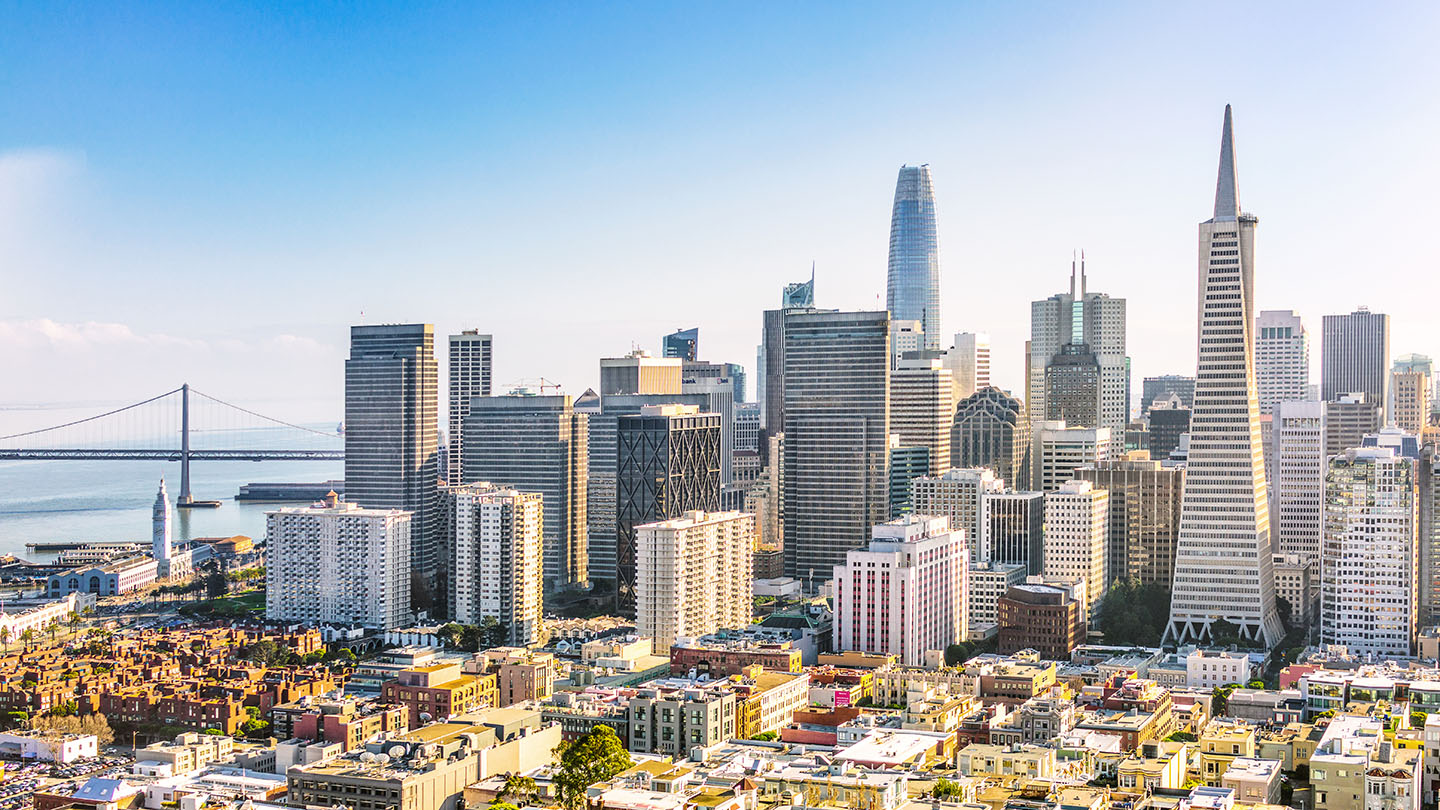
San Francisco
While San Francisco’s overall vacancy rate remains above its long-term average and rents haven’t quite bounced back to pre-pandemic levels, the multifamily market’s recent performance is heading in the right direction, Chen said.
“The lasting appeal of coastal and urban life remains,” she said.
Pockets of the city core are still seeing somewhat elevated vacancies and lower rents, said David Diggs, Managing Director and Senior Regional Sales Manager for Commercial Term Lending at JPMorgan Chase.
“But for the broader city and broader peninsula, things look solid and stable,” he said.
A spike in new construction, notably in the South of Market area, is contributing to San Francisco’s above-average vacancy rate, which is projected to rise from 4.2% in 2023 to 4.5% by the end of this year.
That could constrain asking rents, which are expected to rise 1.5% in 2024 after falling 2.2% last year, according to Moody’s. Rents at comparatively affordable units might be more affected than luxury apartments, which benefited from steady income growth in higher-earning households and demand from would-be homebuyers facing a challenging housing market, Chen said.
“Affordability is taking a bigger toll on the moderate- to low-income household,” she said.
Slower-than-usual rent growth could be a challenge for property owners also contending with inflation and higher costs, Diggs said. The Bay Area’s overall job market, however, has still shown growth despite some layoffs at technology companies during 2023.
San Francisco’s apartment market at a glance1
- Vacancy rate: 4.5% in 2024, up from 4.2% in 2023
- Asking rent growth: 1.5% in 2024, up from -2.2% in 2023
- Effective rent growth: 1.3% in 2024, rising from -1.9% in 2023
- 6,544 newly constructed units online by 2026
Trend to watch
Multifamily property values in Downtown San Francisco started to drop a bit during 2023. It wasn’t a dramatic decline, and the number of transactions is still low, “but we haven’t seen prices move lower in a long time,” Diggs said. “For investors who have capital, it could a good time to keep an eye out for opportunities.”
Neighborhood highlights
The South of Market neighborhood, San Francisco’s largest and most expensive multifamily submarket with the most new construction of luxury units, has struggled due to a comparatively sluggish return to the area’s office buildings and its higher prices, Chen said. On the other hand, the San Mateo and West San Francisco submarkets saw strong leasing in the second half of 2023.
The South Bay also had a particularly strong rebound after the pandemic and has continued to perform well, as have parts of the East and North Bay, Diggs said. That’s in part thanks to lifestyle changes accompanying hybrid and remote work.
“If people don’t need to commute in as much, they’re OK living farther away,” he said.
 The Commercial Real Estate Alpha Site
Leave a comment