BY DAVID MATTHEWS Via Costar/Loopnet
PUBLISHED ON MARCH 30, 2023
More Retail REITs Are Selling to Residential Developers
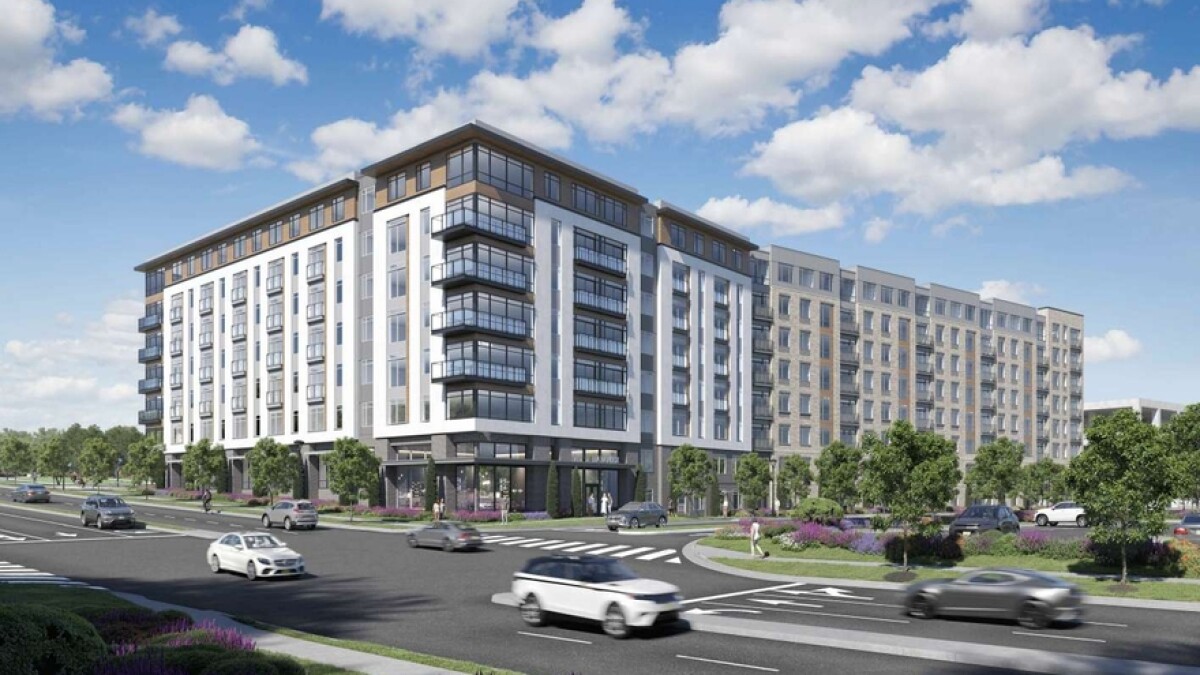
Residential developers who are buying into struggling shopping centers and malls across the country are seeking their own form of retail therapy.
These retail centers remain an area of focus for many developers and local authorities looking to add much-needed housing to growing areas, and now many retail REITs are selling assets to residential developers. Increased online shopping and other effects of the pandemic seem to have sped up the pace of these new mixed-use projects.
“I don’t know if there’s a city around that is not thinking about how to improve and diversify their housing stock,” said Don Bredberg, managing director of real estate development consultancy StoneCreek Partners. “[Many of] these mall sites just happen to be pretty well located for residential redevelopment.”
These projects range from relatively easy (new construction on brownfield sites) to more ambitious projects (adaptive reuse of existing buildings).
StoneCreek has identified 167 shopping centers across the country that are primed for redevelopment. Much of that work is already underway. But big challenges remain when developing these properties into desirable new mixed-use neighborhoods.
2-for-1 Deal
You’ve heard this before: The rise of online shopping has led to the decline of the traditional suburban mall, inspiring landlords and local officials to find creative ways to revive the space. For properties in which retail survives the storm, housing can still be a prudential addition. One solution, adding residential next door, delivers built-in foot traffic to the retail and has the bonus of providing much-needed housing units. The retail space at these shopping centers is often revamped, sometimes with new, stronger tenants as well.
It’s a trend that’s been in play for more than a decade. So, what’s new this time around?
First and foremost, an acute need for more housing as new generations enter the workforce, Bredberg said. This just happens to coincide with the further decline of many big-box chains such as Toys “R” Us, Sports Authority and Bed, Bath & Beyond.
“In the last five to eight years, in particular, we’ve lost a lot of our traditional anchor stores,” Bredberg said. “[And] we’ve got a whole new generation of people, particularly millennials, where the American dream of getting into a home is looking elusive right now.”
While the “desirable” number of homes is a subjective and dynamic target, Freddie Mac estimated in 2019 that the nationwide shortage of housing units for sale or rent was 3.8 million. Fewer new homes were built in the 10 years that ended in 2018 than in any decade since the 1960s. The pandemic only exacerbated the problem.
Click here for David Matthews full article.
Not that

Dave Matthews but Loopnet’s version.
…
Challenges Ahead
Of course, projects that add any significant amount of new housing units possibly come with permitting and zoning changes come with many complications. Perhaps the biggest challenge is garnering community support and zoning approvals from the necessary authorities.
“A lot of people might even say it’s job number one. Because if you don’t have the local community with you, it makes it difficult to go to a city council or county board of supervisors and get your approval,” Bredberg said.
More obstacles come in the form of a retail center having multiple landlords, leases and other contractual agreements between stakeholders. Each anchor store may have a different owner. Some tenants may be floundering, but others might be thriving. The governance and financial health of the REIT that owns part or all of the mall is another complicating factor.
“It’s all kind of interlocking. You must, as a developer, wait long enough or walk up on a situation where everybody is aware [that] ‘we’re all going out of business.’ So, everybody is kind of agreeable to terminating or altering their rights on the site,” Bredberg said. “It’s a little bit more complicated than walking up on a greenfield site, where you buy the land and ‘off we go.’”
And then there’s the actual construction. The stores that remain will likely have to be shifted too.
“We look a lot at the whole issue of who the tenants are, and which floors and zones have tenants still operating in the mall that are frankly doing pretty well and ask whether they can be relocated,” Bredberg said. “It’s a Rubik’s Cube of considerations, sometimes.”
Checking Out
Despite these challenges, StoneCreek believes the redevelopment of shopping malls will comprise the most active type of retail deal in 2023. Whether that prediction holds true or not, the acceleration of retail-to-residential redevelopments is an encouraging trend, Bredberg said.
“I think it’s a story of optimism, right?” he said. “As opposed to being these dinosaur malls that left the world, they’re being reborn in many cases as really exciting places.”
 The Commercial Real Estate Alpha Site
Leave a comment