
2023 Commercial Real Estate Outlook – Highlights from Colliers

Trends to Watch in 2023

• U.S. Slides into a Mild Recession: The Fed’s
swift and aggressive monetary policy, coupled
with persistent inflation and slower global
demand, will push the economy into a mild
recession by midyear. While the Fed is likely
to stop hiking rates after its first quarter
meetings, it won’t begin to reverse course
despite moderating inflation until later in the
year or early 2024.
• Inflation Poised to Drop Significantly: Easing
supply chain challenges and falling energy, gas,
and commodity prices will relieve inflationary
pressures. Inflation can then fall significantly
because of lower rents and housing costs,
moderating healthcare costs, and retailers
unloading too much inventory.
• Labor Constraints Ease: Strong employment
growth propelled the economy in 2022, but
the labor market will begin to stall in 2023, and
growth will turn negative by summer. Although
relatively low by historical standards, the
unemployment rate will rise above 4.5%, and
wage growth will drop closer to the Fed’s 2%
target range.

• Consumer Spending Runs Out of Steam: As
the pandemic-boosted household savings rate
falls below pre-pandemic levels, households
will likely curb spending, particularly on
higher-priced goods, as labor market
conditions deteriorate and wage growth
retreats.
• Residential and Business Investment
Weaken: Despite stabilization in the 10-
year Treasury and 30-year mortgage rates,
single-family sales will remain tepid. As pentup
demand eases, higher borrowing costs
and tightening lending standards will cause
business investment to soften as companies
reduce expenses in a contracting economy.
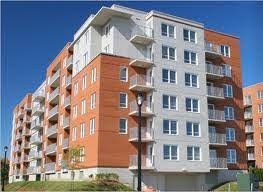
• Housing Affordability: Despite a quick and
dramatic reversal in the housing market by
the end of last year, affordability will remain a
paramount concern. Elevated mortgage rates
will discourage existing homeowners from
moving and sideline many would-be buyers.
Therefore, multifamily demand will persist,
and, limited inventory in most markets will
keep housing costs for owners and renters
elevated.
CRE Trends to Watch
Sustainability and the Bottom Line
As climate concerns take center stage,
attitudes towards sustainability will shift
from wanting to do something to needing
to. According to the Environmental and
Energy Study Institute, buildings across the
U.S. account for 40% of carbon emissions.
While sustainability initiatives are expensive,
they’re becoming non-negotiable for
institutional investors.

Distressed Assets Emerge
The pandemic wave of distressed assets failed
to materialize, as owners and lenders worked in
unison; however, distress will emerge in 2023 in
all asset classes. With the rapid rise in interest
rates, valuations will be challenged upon debt
maturity, forcing owners to put more capital
into their assets. While rescue capital is gaining
traction, many cash-constrained owners and
developers will return their keys to the bank.
Flight to Quality
The flight to quality is happening in the
office sector as employers focus on premium
spaces, not only to bring their employees
back but also to attract and retain top talent
in an ultra-tight labor market. However, as
a recession looks more likely and tightening
regulations push more companies towards
ESG initiatives, trophy assets will outperform
others in all property types.
Multifamily

Trends to Watch in 2023
• Migration Patterns: According to the U.S.
Census, the Sun Belt continues to lead in
population growth, with more than 400,000
new residents in both Texas and Florida in
2022. Population growth leads to household
formation, and in turn, multifamily demand.
• Mortgage Costs: While rates dropped slightly
by year-end from November highs north of 7%,
the cost of a 30-year mortgage is prohibitive
to many buyers, slowing down home sales and
keeping people in the rental market.

• Affordability: Rents have surged in most
markets across the country, stressing renters’
budgets. A recent survey reported by Bloomberg
noted a significant share of Millennials moving
back in with family in the past year in order to
save money and because they couldn’t afford
the rent. Multifamily owners have noticed
stalled household formation.
• Capital Flows: Multifamily has led U.S. sales
volume for eight straight years, catalyzed
by falling interest rates. Investors still rank
multifamily as a top target, but higher borrowing
costs are slowing down sales volume. How far
and fast pricing adjusts will be an important
factor in total sales volume.
For a complete forecast from Colliers, Please visit HERE <——-
On a localized level here on the Gulf Coast of Florida, if you would like to discuss your property, investing, the markets, etc, please visit Dreznin Pappas Commercial Real Estate LLC by clicking HERE <—–
 The Commercial Real Estate Alpha Site
Leave a comment