By: Chris Salviati and Rob Warnock via Apartment List.com
In major metros across the U.S. rents have been growing faster in the suburbs than in the urban core
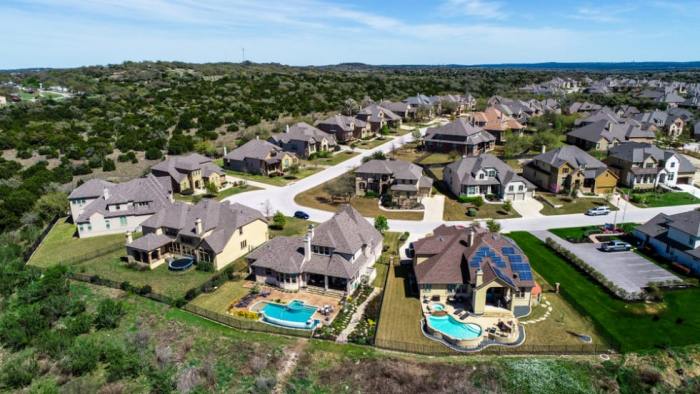
Analyzing our rent estimates across 39 large and medium-sized metropolitan areas, we find that since March 2020, rents in the suburbs of these metros have grown by 27.2 percent, on average, substantially outpacing the 19.8 percent average rent growth in the core cities that they surround.12
…
This gap began to emerge quickly after the pandemic’s onset. With most urban amenities closed or operating in limited capacity during the lock-down phase of the pandemic, many workers who lost jobs or who no longer needed to be close to an office decided that it was no longer wise to pay a premium for downtown rentals. As existing renters gave up their leases without new renters to take their places, rents in core cities were discounted. This was especially true in the nation’s priciest cities, such as San Francisco, Seattle, Boston, and New York City, all of which saw their median rents plummet by at least 20 percent by the end of 2020. On average, rents in the core cities that we analyzed fell by 4.6 percent from March through December of 2020. Meanwhile, rents in the suburbs of these metros ticked up slightly, rising by an average of 0.7 percent.

Conditions quickly changed in 2021 – the large cities where rents had been falling quickly turned a corner and began sharp rebounds, leading to a temporary narrowing of the rent growth gap between core cities and suburbs in early 2021. But suburban rent growth then proceeded to outpace core city rent growth again, even as prices skyrocketed in both sets of cities, driven by tight supply colliding with a surge in demand. And while rent growth has cooled somewhat in 2022, it has continued at an elevated pace in both core cities and suburbs. Throughout the past year and a half, the rent growth gap between core cities and suburbs has, for the most part, been continuing to gradually widen, as can be seen in the chart above. The continuation of this trend indicates that this gap is not solely an artifact of early pandemic disruption.
…
In large metros, the fastest rent growth is happening in the farthest-flung suburbs
The impact of remote work on these changing preferences would seem to be validated by an additional finding that emerges when we break down our suburban rent data into more granular categories. Namely, the fastest rent growth since March 2020 has been occurring in the suburbs that sit furthest from the urban core. For the purposes of this analysis, we have limited the data to 13 large metros where we have robust rent estimates for a wide swath of suburbs at varying distances from the core city.

Among these 13 metros, the first year of the pandemic brought an average rent decline of 5.2 percent in the core cities. Over that same year, the outer-ring suburbs that sit more than 30 miles from the core city saw the fastest rent growth, with an average increase of 4.8 percent, roughly proportional to the decline in the core cities. Looking over the full pandemic period, rents in the core cities have risen by an average of 16.8 percent since March 2020. Over the same period, the near suburbs that lie within 15 miles of the core cities saw rents increase by 23.5 percent. Meanwhile, the mid-distance suburbs (15 to 30 miles from the core city) experienced rent growth of 26.8 percent, and the farthest flung suburbs that are more than 30 miles from the urban core have seen the fastest rent growth at 30.1 percent.3 In other words, rent growth has been progressively hotter moving outward in concentric rings from the urban core.
It seems highly likely that remote work is playing a role in this trend. Even as some companies have begun requiring employees to return to the office, many workers are still retaining the ability to work from home at least part-time. This sort of hybrid work arrangement is likely to alter decision making with regards to how far one is willing to live from the office. A long commute from the distant suburbs may seem much more reasonable if it only needs to be endured twice per week. It seems that some workers are choosing to forgo the convenience of being close to the city in favor of getting more space at a lower price point. And given that far flung suburbs have less rental inventory than large cities, these markets are ill-prepared for an influx of new renter households, leading to the disruption reflected in our rent growth estimates.
Conclusion
The past two and half years have ushered in rapid changes to the ways that we live and work, driving significant shakeups to the housing market. One such disruption has been a spike in demand for suburban rentals. Even as large core cities have rebounded strongly from early-pandemic declines, rent growth has continued to be fastest in the suburbs. Even before the pandemic, increasingly unaffordable housing costs close to the urban core had been pushing more and more renters to the far peripheries of the nation’s large metro areas, resulting in a proliferation of “super commuters“. City living has proven resilient, and will surely retain its appeal going forward, but with a meaningful share of the workforce poised to maintain at least partial remote work flexibility going forward, the far flung suburbs of large metros may continue to experience elevated housing demand going forward. Even if these workers are only commuting part-time, this type of sprawl is at odds with making progress on climate goals. Crucially, spiking demand in the far suburbs appears to have more to do with affordability than with geographic preference – this trend should only emphasize the need for sustainable development with easy transit-oriented access to the urban core.
For the complete comprehensive article, CLICK HERE to visit Apartment List.com
To explore properties for sale or your property in greater detail, CLICK HERE to visit Dreznin Pappas Commercial Real Estate LLC
 The Commercial Real Estate Alpha Site
Leave a comment