
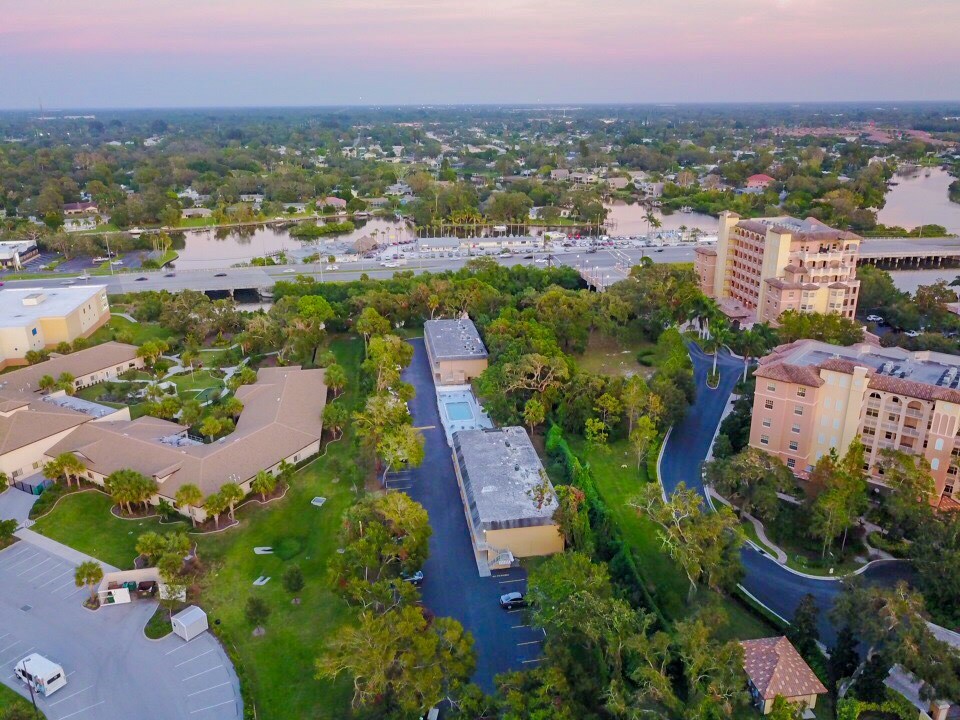
Historically Tight Labor Market Boosts Housing Demand;
Investors Target Assets in Secondary and Tertiary Markets
The historic decline of unemployment to a 50-year low has become a major force driving household formation, pushing apartment housing demand to record levels. Secondary and tertiary markets offer a particularly compelling outlook as companies have expanded their recruiting efforts to a wide range of metros.
Key Features Include:
- Though new supply remains elevated, the pipeline has begun to taper in most markets
- Class C vacancy probes new lows as availability of workforce housing remains tight
- Retreating interest rates and steady yields keep bidding competitive
Multifamily 2019 Outlook
20 BASIS POINT
decrease in vacancy
6.6% INCREASE
in effective rents
3,900 UNITS
will be completed
* Cap rates are through 1Q; Treasury rate as of March 29
Sources: CoStar Group, Inc.; Real Capital Analytics
• Tampa-St. Petersburg’s favorable rental market and the low cost of
financing have many investors opting to refinance and hold rather
than divest assets. As a result, the pipeline of for-sale listings is slim,
increasing competition and pushing prices higher.
• The wave of construction, especially in the downtown cores, continues to draw out-of-state investors. Over the past 12 months, newer
Class A assets have traded above $220 per door on average with cap
rates generally below the mid-5 percent range. A couple of new luxury
buildings in downtown St. Petersburg topped $300 per unit.
• Buyers searching for higher returns may find opportunities in smaller
buildings more than 30 years old in Southeast Tampa or Temple Terrace. In these neighborhoods cap rates are roughly 200 basis points
above the metro average.
Investment Trends
Deliveries reached a 16-year peak last
year as 5,400 units were placed into
service. During 2019, completions will decrease to the lowest level in three years.
Steady demand for apartments amid a
slower construction pipeline will drop
vacancy to 4.4 percent in 2019, the lowest
annual level in 14 years.
Tight vacancy is producing robust rent
growth. Following a 7.2 percent surge
last year, effective rent ends 2019 at an
average of $1,263 per month.
SALES TRENDS
• Investors remain interested in metro apartment assets, although
demand outpaces supply. Transaction volume rose slightly during the
past 12 months.
• During this period, increased competition pushed the average price
up 11 percent to $119,600 per unit, while the average cap rate dipped
30 basis points year over year into the low-6 percent range.
Outlook: Private buyers will continue to search for older Class C assets
with value-add potential. Properties in Pinellas County or in neighborhoods surrounding downtown Tampa will be most often targeted.

 The Commercial Real Estate Alpha Site
Leave a comment