

(The following is an excerpt from the new book from BiggerPockets, The Book on Rental Property Investing
As you begin investing in real estate, you’ll likely hear people talk about a property being in an A, B, C, or D location.
Just like your high school class grades, a neighborhood can receive a grade, though the classification is a bit more subjective than a simple high school test. There is no government organization, board, or company that classifies locations.
It’s honestly more of an unwritten rule accepted by most investors, and the lines are not incredibly clear. You might think a location is an A location (the best), while I might think it’s a B location (second best), but for the most part, investors will agree on the class distinctions.
Some investors grade locations on an A through C scale, whereas others grade on A through F scale. In other words, you might say a location is a C location, meaning that you think it’s the worst, because you grade on an A through C scale; at the same time, someone who grades on an A through F scale might think it’s pretty middle of the road. For the sake of our discussion in this blog, we’ll use an A through D scale, which is probably the most common grading scale.
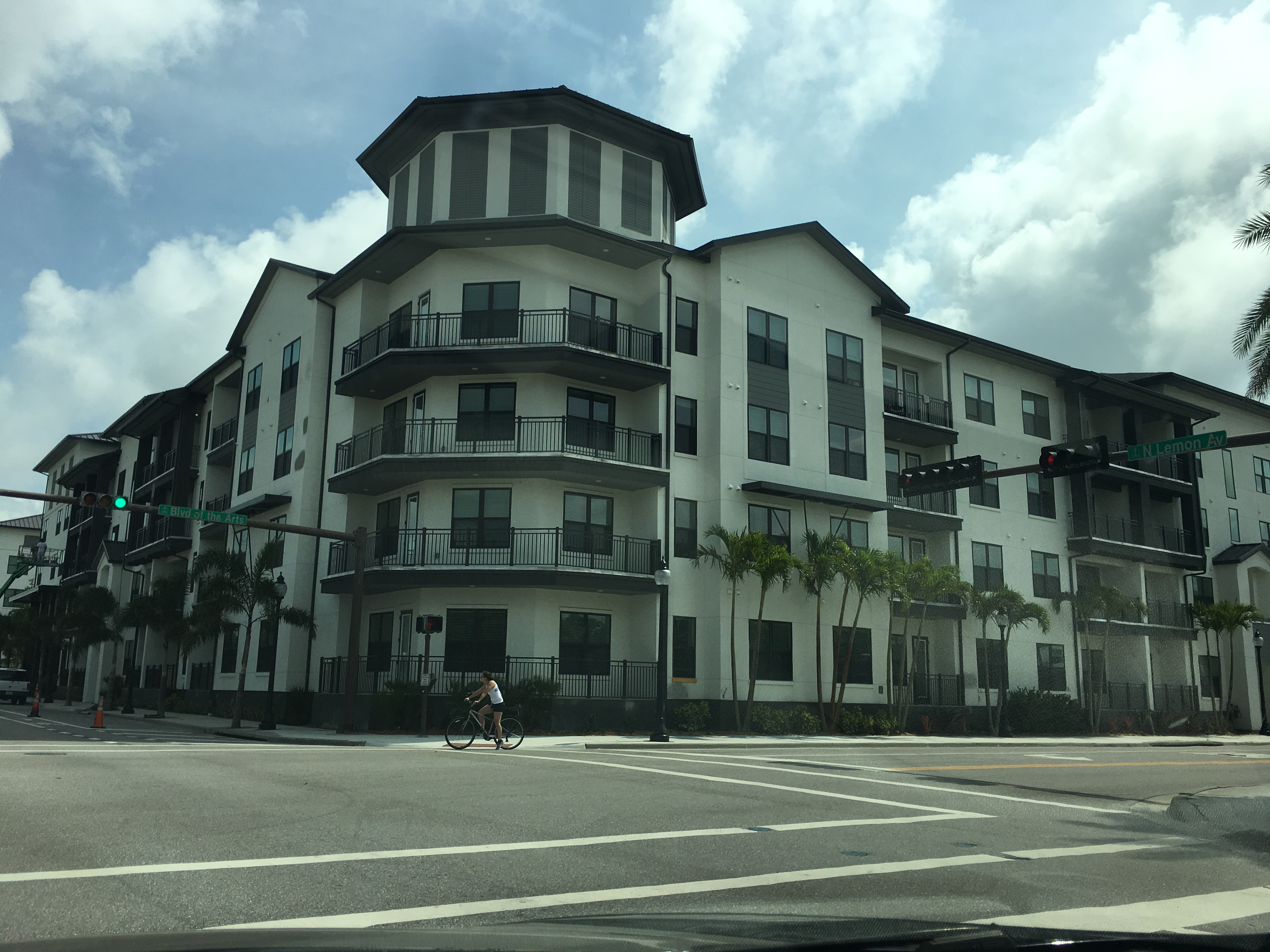
Class A Real Estate
A Class A location is an area that has the newest buildings, hottest restaurants, best schools, wealthiest people, and highest-cost real estate. This is truly the best location you can find, and the highest-quality tenants are looking to rent here.
A Class A building follows the same concept. It is generally newer, probably less than ten years old, and therefore has fewer maintenance issues. The building has modern amenities, such as granite countertops, hardwood floors, and other in-demand features. Class A properties generally command the highest rent but may provide a lower amount of cash flow, because of the high-demand for an “easy investment.” More demand, higher purchase cost = lower cash flow.
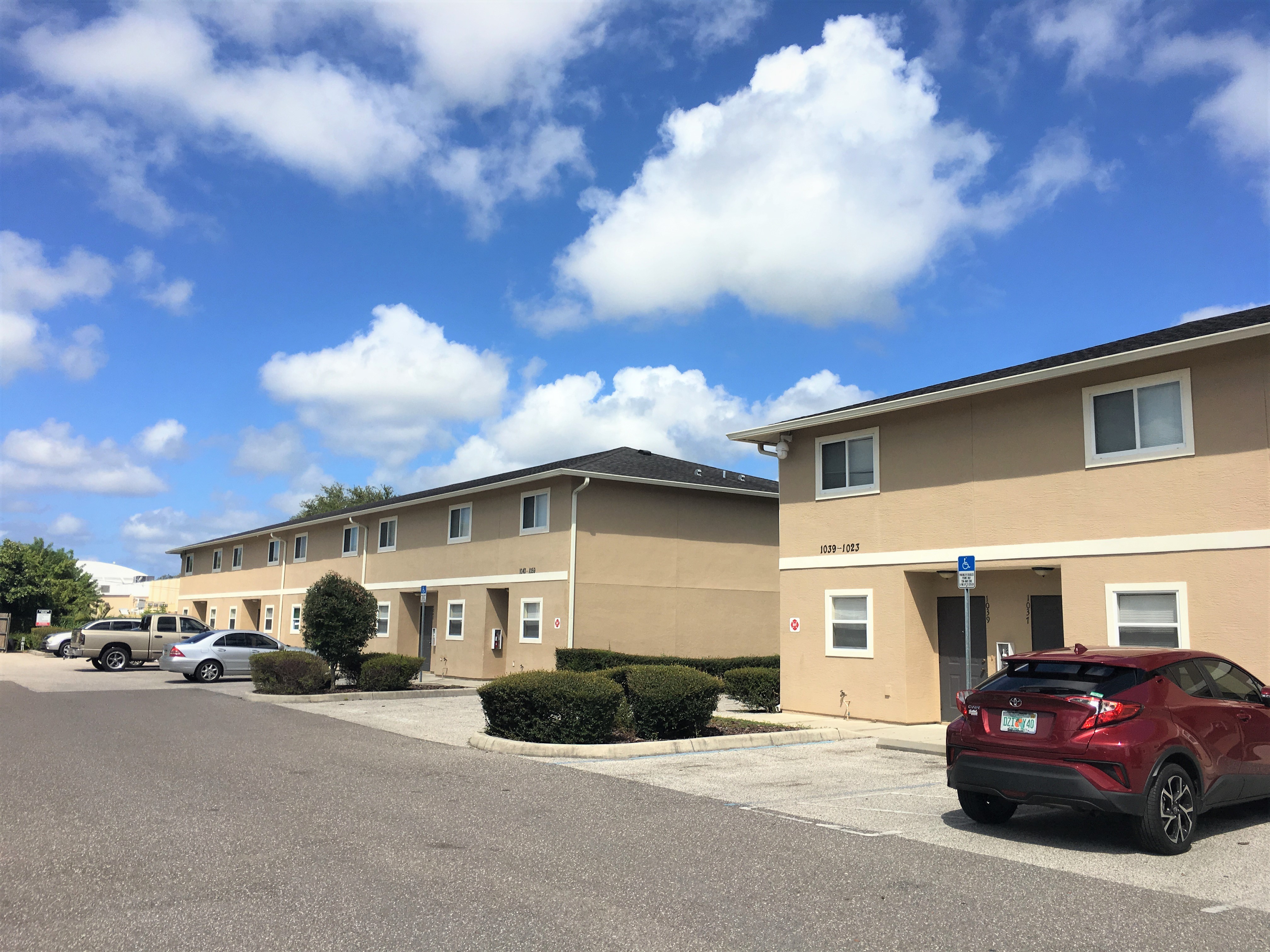
Class B Real Estate
A Class B location might be slightly older than a Class A one, but perhaps still has decent restaurants, schools, and people. This might be your “middle class” areas, but these will attract more blue collar workers who live paycheck to paycheck.
A Class B building follows the same concept. It is probably 15–30 years old, mostly upgraded but perhaps lacking the shine of a Class A property. Rental income is probably lower than what you might find with a Class A property, and the maintenance costs will likely be higher because of the age of the property.
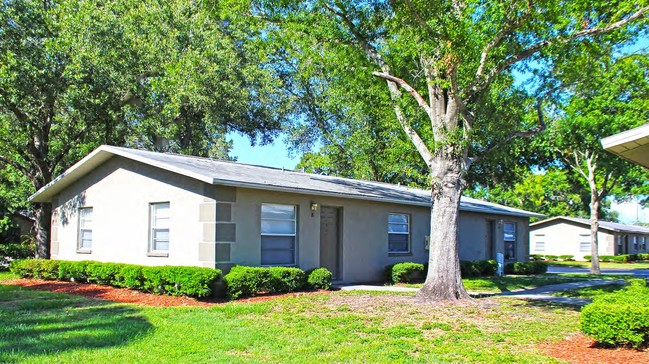
Class C Real Estate
A Class C location is likely a lower-income area with homes that are old—30 years or more. This area tends to attract people who are either on government subsidies or working low-wage jobs. You’ll likely find a lot of check-cashing businesses, pawn shops, and other such businesses in this area.
A Class C building follows the same concept. The property is likely older than 30 years and looks the part. Numerous repairs are likely needed, and ongoing maintenance should be expected. Systems in the property, such as plumbing and electrical, may be outdated and require ongoing attention. Properties will typically rent for a low amount in this area, but the properties will also be much more affordable than Classes A or B.

Class D Real Estate
A Class D location is a war zone where you likely would not want to travel alone. Not every city has a Class D area, but you’ll likely recognize one when you see one. Often, even cops are nervous about entering these areas, and crime and drug use/sales run rampant. There are probably numerous buildings with boarded-up windows and other indications of being vacant.
A Class D building is likely old, similar to a Class C one, but with far more neglect. Chances are, the property is currently uninhabitable, needing significant repairs before it could be lived in. Class D properties are generally exceptionally cheap, but getting good tenants can be difficult and dangerous. These properties may skew towards the more management intensive side of landlording.
Click here <——- for complete article and others
 The Commercial Real Estate Alpha Site
Leave a comment