

“What is the cap rate?”
This is a question I receive a lot of the time and its a loaded question with a complex answer.
There are lots of variables that go into formulating a cap rate. It isn’t as easy as what is the income minus the expenses contrasted against the asking price or value.
When looking at cap rates, other items go into the valuation such as;
Location
Condition
Age of property
Updates/Deferred Maintenance
Subjective Numbers included or excluded (i.e. – self managed)
Potential traps or pitfalls (i.e. – a forthcoming RE Tax increase based on a $$$ sales price)
Let’s dig down a little and throw out some examples of how these items can affect cap rates.
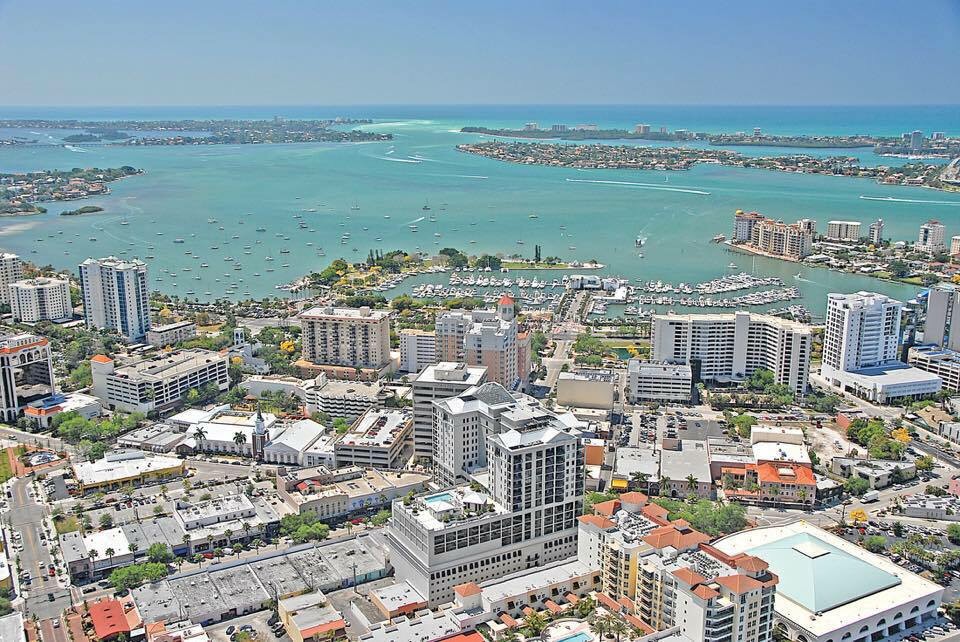
Location – This is reasonably obvious in that, if the property is on a beach or some highly desired location, then the demand will compress the cap rate. On the flip side, if the property is in a blighted area or less desirable location, then investors may be looking for a more enticing cap rate.
Condition – This also seems like a simple variable but often times, pictures can be misleading or concerns can be concealed and this will certainly affect cap rates. If an investor is purchasing a 10,000 SF office building that is fully occupied but during due diligence it is found to be structurally unsound and the building requires substantial rehab work to solidify the structure, this will negatively affect the cap rate.
Age of Property – Accordingly, if the property is newer, then the potential for deferred maintenance, repairs, system failures, etc is lessened and vice versa on buildings with decades under their belt, the possibility for repairs, replacements, rehabbing, etc go up while the cap rate will fluctuate similarly.
Updates/Deferred Maintenance – This wont have such a profound impact on the cap rate in most cases, but if the amount of items needing updates adds up, then it may become problematic. (I.e. – painting, parking lots, roofing, HVAC, Water heaters, etc)

Subjective Numbers included or excluded (i.e. – self managed) – This is my favorite category by far. I’ve seen so many marketing packages from other companies and sellers that exclude items such as management, repairs, vacancy, insurance, etc. Most of the time, its selective memory or a slanted perspective, such as ‘The owner self-manages’ so there is no management included in expenses. You will also find the ‘market average’ for repairs which tends to run much lower then reality, but is usually accepted as reasonable.
Finally, the vacancy is a interesting metric as I’ve encountered numbers ranging from zero to five percent. (Use this math as an example – 10 unit building X 12 rentable months = 120 months of rent — Approx each month of vacancy = .09% so if you were full 119 out of 120 months then you had 99.1% occupancy. Most likely the property had turnover and no matter how nice the property is or how earnest the tenants are, people move, they get new jobs, help family, explore, etc. Let’s say you had 4 move outs over the course of a year and 2 units only lost 1 month of rent, 1 unit lost 2 months of rent and the last unit required some substantial upgrades/remodeling and was offline for 2 months as well. That’s only 6 months out of 120. Not a big deal? It’s 5% vacancy.

Potential traps or pitfalls – (Pie in the Sky Theory) This is where a great agent comes into play or a seasoned investor can capitalize on an acquisition.
RE Taxes reset based on point of sale pricing.
Insurance costs tend to rise when a new policy is required
Reserve funds that were in place before sale, disappear and money must be allotted/escrowed for those items
It costs money to improve units/property to utilize the upside potential that folks are selling. Keep that in mind when looking at marketing.
 The Commercial Real Estate Alpha Site
Leave a comment